
ANSO-COMSATS-TWAS International Conference Concludes in Islamabad, Reinforcing Global Scientific Cooperation for Sustainable Development
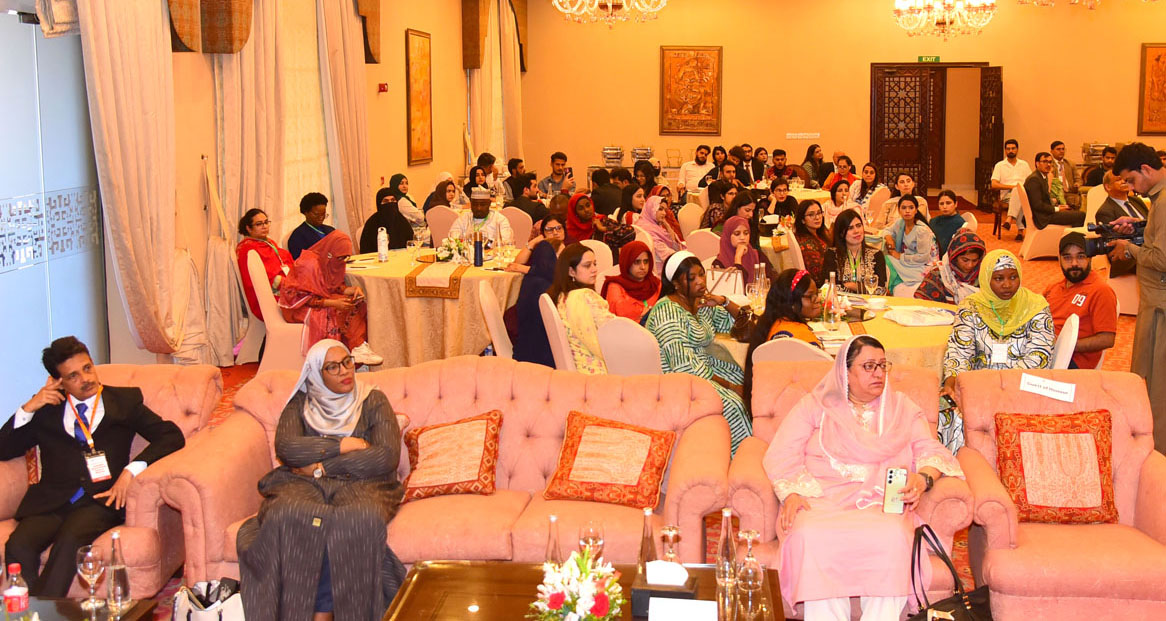
The three-day ANSO-COMSATS-TWAS International Conference on “A Sustainable Future for All Living Species on Planet Earth” concluded on October 15, 2026, at Serena Hotel, Islamabad, following an extensive programme of scientific presentations, interdisciplinary discussions, and knowledge exchange among international experts, researchers, policymakers, and representatives of scientific and development organizations.
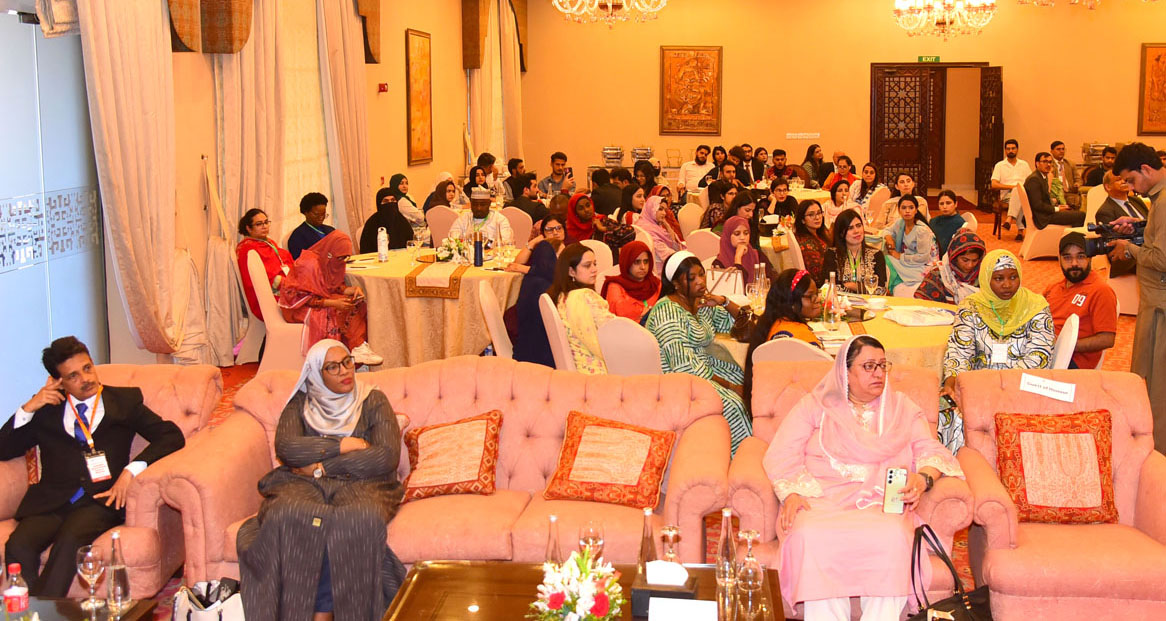
The closing ceremony brought together distinguished guests, including Mr. Amir Khan Goraya, Chief Executive Officer of the National Disaster Risk Management Fund (NDRMF), as Guest of Honour; Dr. Max Paoli, Programme Coordinator at UNESCO-TWAS; and Ambassador Dr. Mohammad Nafees Zakaria, Executive Director of COMSATS. Representatives of diplomatic missions from Rwanda, Yemen, Syria, Zimbabwe, Sudan, and Somalia, alongside representatives of international organizations, scientific institutions, academia, and the development community, also attended the ceremony.
In his remarks, Dr. Max Paoli appreciated the quality of the scientific contributions and the constructive exchanges throughout the Conference. He acknowledged the value of bringing together experts from diverse disciplines and countries to deliberate on shared sustainability challenges, expressing the hope that the discussions would translate into strengthened research linkages and further collaboration among participating institutions and researchers.
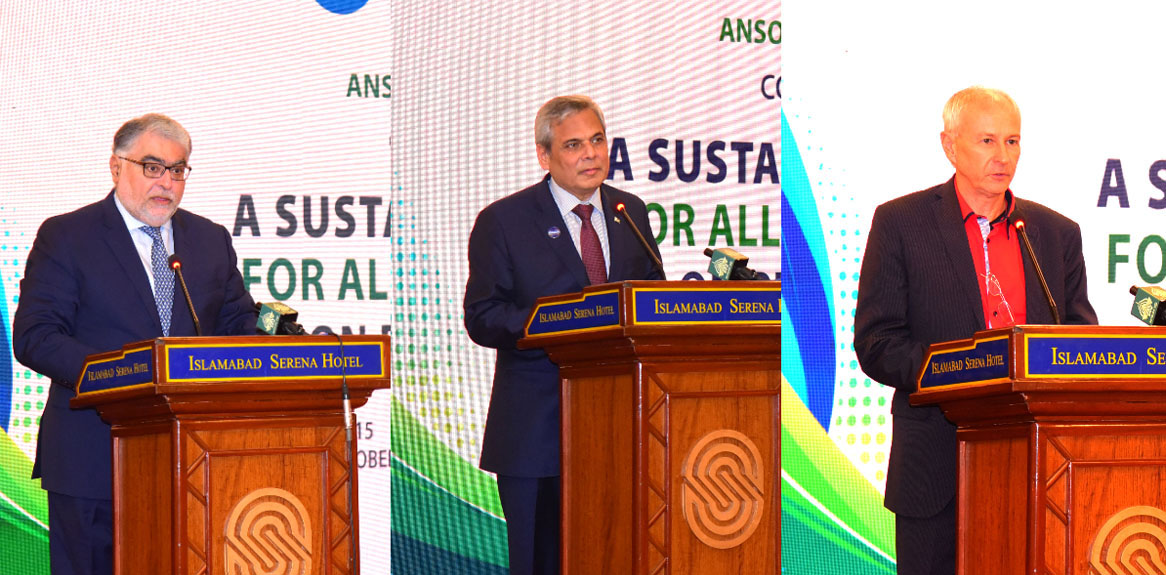
Addressing the gathering as Guest of Honour, Mr. Amir Khan Goraya highlighted the interconnected nature of global risks and the need for integrated approaches to sustainable development and resilience. Drawing on Pakistan's experience during the devastating floods of 2022, he emphasized the importance of moving beyond reactive disaster response towards stronger prevention, preparedness, and risk-informed planning. He underscored the relevance of the Water-Energy-Food-Ecosystems (WEFE) Nexus in addressing interdependent resource challenges and highlighted the intrinsic links between planetary health, environmental sustainability, and human well-being. He further emphasized equitable access to scientific knowledge, regional cooperation, and the application of research and technology to strengthen resilience against climate and disaster-related risks.
In his closing address, Ambassador Dr. Mohammad Nafees Zakaria reflected on the key themes and deliberations of the Conference, reiterating the importance of science, technology, and international cooperation in addressing the interconnected challenges of climate change and sustainable development. He highlighted initiatives promoting low-carbon development, including the electric vehicle initiative undertaken in collaboration with AGECO, as examples of the importance of translating sustainability commitments into practical action.
Emphasizing the principle of climate justice, the Executive Director called for greater recognition of the concerns, vulnerabilities, and development priorities of developing countries, stressing the need for a stronger voice for the Global South in international climate discourse and decision-making. His remarks reinforced the importance of inclusive international cooperation and ensuring that scientific and technological advancements contribute to equitable and sustainable development.
Concluding his address, Ambassador Zakaria expressed appreciation to the Conference's funding and institutional partners, speakers, experts, participating organizations, and international delegates for their valuable contributions. He also acknowledged the commitment and efforts of the organizing team and all those involved in coordinating the scientific programme and associated institutional engagements.
Over its three days, the Conference provided a multidisciplinary platform for examining the interrelationships between human well-being, environmental integrity, and sustainable development. Its deliberations reinforced the importance of the WEFE Nexus, planetary health, sustainability education, and science-policy dialogue as interconnected priorities in addressing global challenges. The discussions also highlighted the need to strengthen interdisciplinary research, promote international scientific partnerships, and translate scientific evidence and innovation into effective policies and practical solutions.
Organized by COMSATS with financial support from ANSO and UNESCO-TWAS, and with the contribution of the University of Trieste, Italy, the Conference represented a collective effort to advance scientific cooperation and strengthen institutional linkages across countries and research communities. It also reaffirmed the value of international platforms in connecting scientific expertise, facilitating knowledge exchange, and identifying opportunities for sustained collaboration.
The successful conclusion of the Conference reaffirmed the shared commitment of COMSATS and its international partners to promoting South-South scientific cooperation, strengthening scientific capacities, and advancing the role of science, technology, and innovation in achieving sustainable development. The engagements established through the Conference are expected to provide a foundation for continued institutional collaboration and collective action towards a sustainable future for all living species on Planet Earth.